
By Paul Waatti, Director of Industry Analysis
At CES 2026, it was clear the auto industry’s next phase hinges not on new vehicle launches, but on how well OEMs and suppliers scale software, autonomy, and AI-enabled systems in practical settings. This year, the show shifted from traditional product debuts to a focus on compute architectures, software platforms, and “physical AI” — the blend of autonomous driving, robotics, and advanced perception systems. CES’s evolution away from the traditional auto show is evident. OEMs now use their presence to signal long-term strategy, not just highlight near-term products.
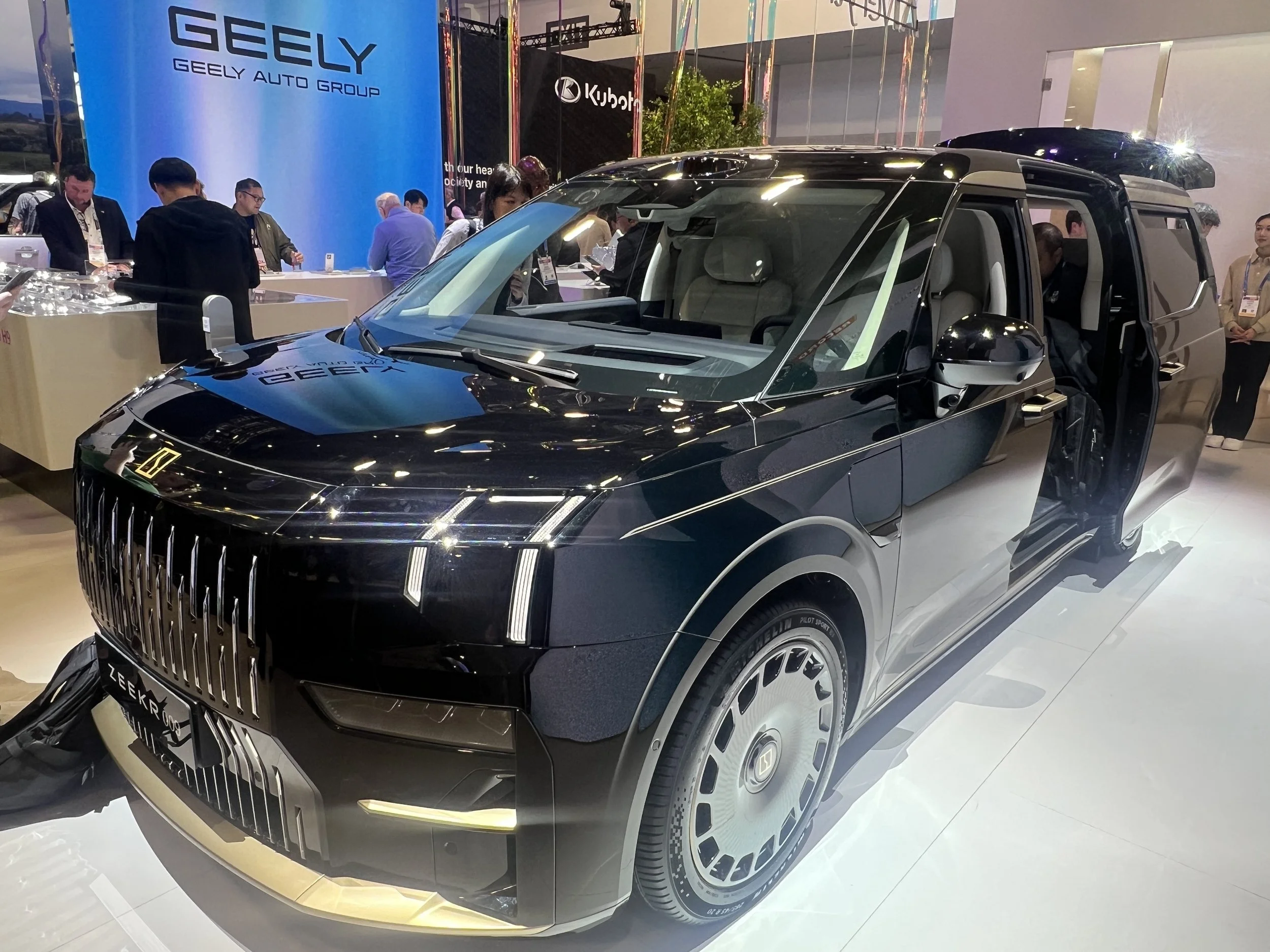
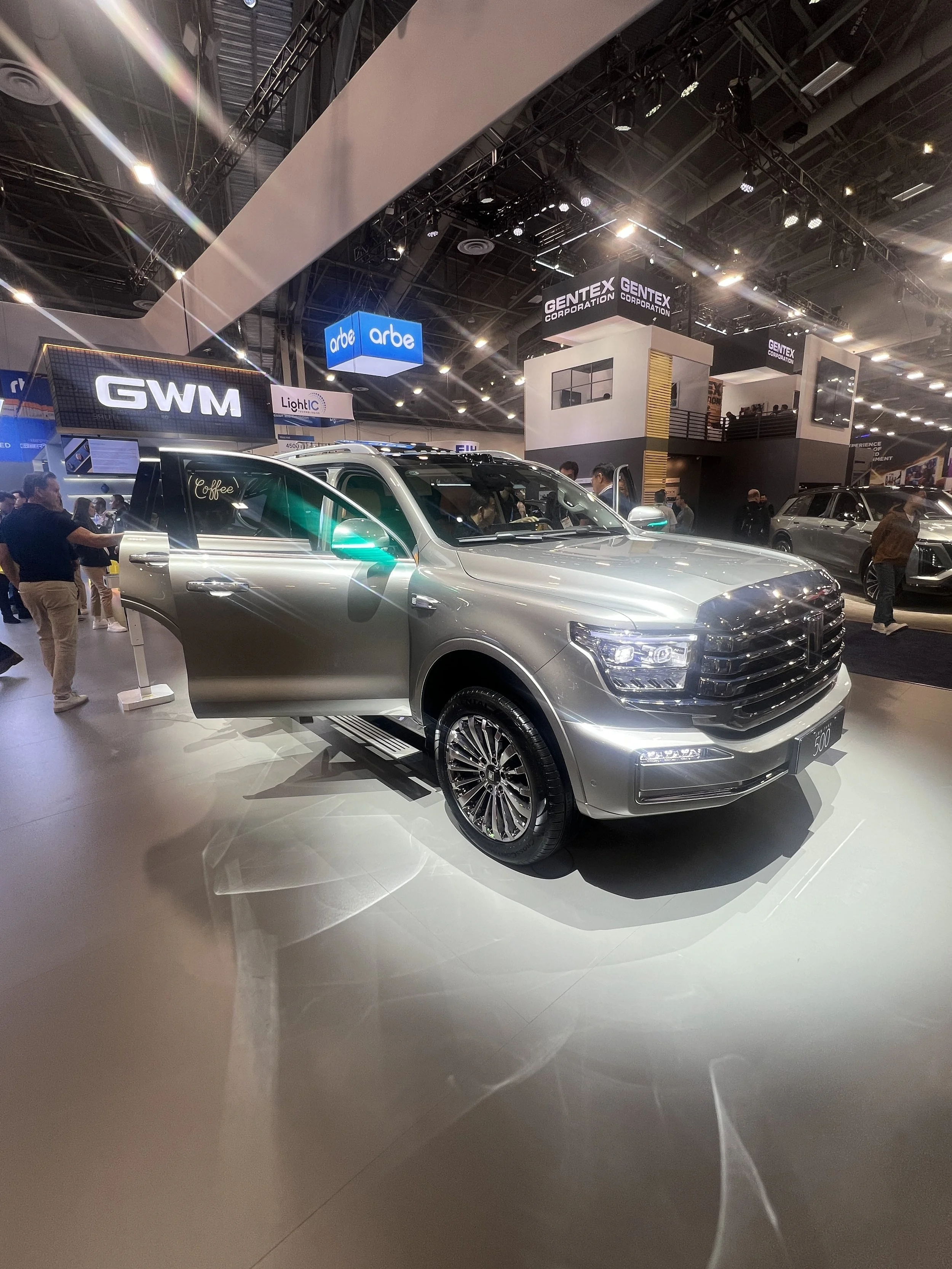
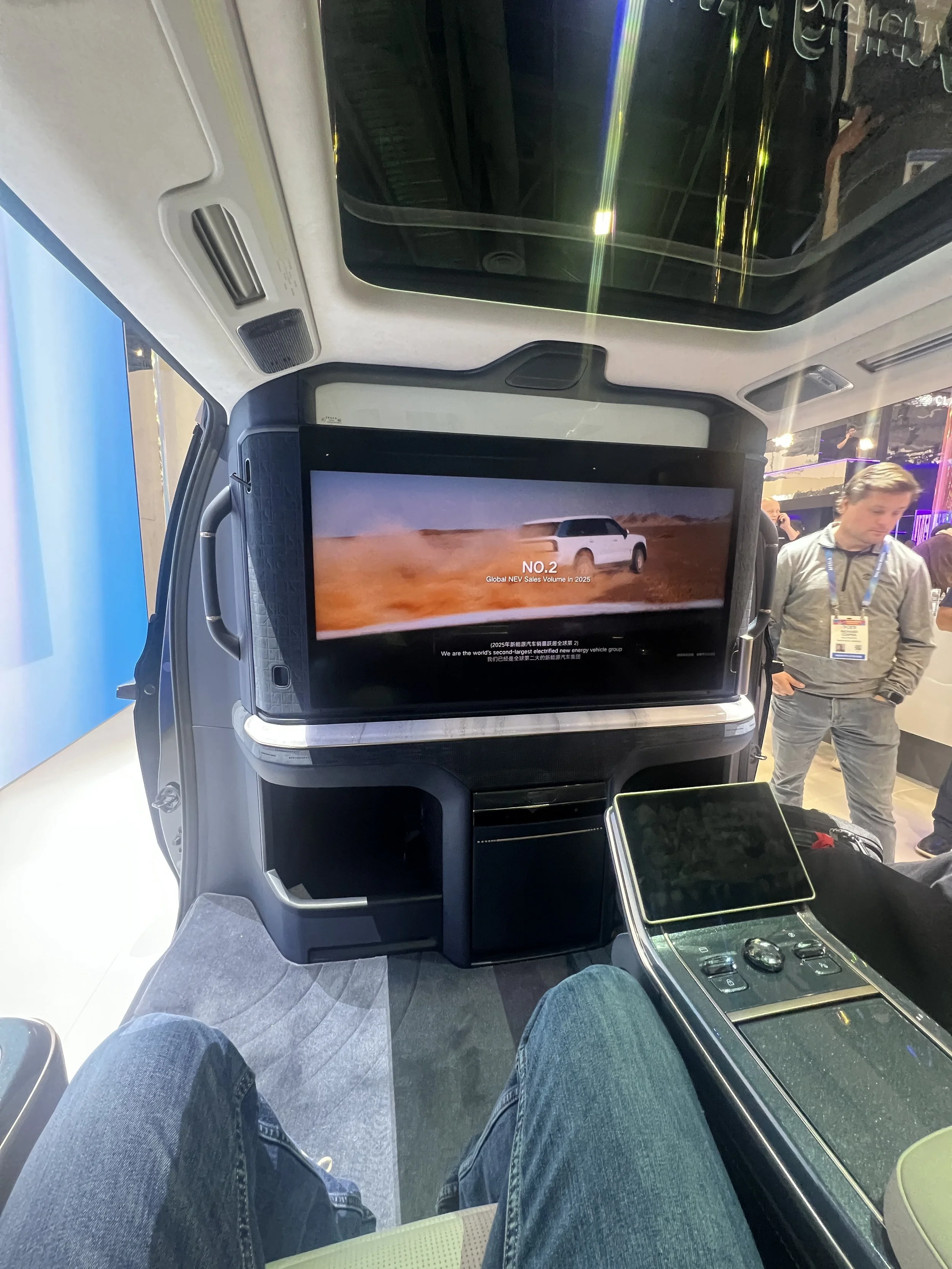
The composition of OEM participation stood out. Aside from Afeela, only Chinese automakers — Geely and Great Wall Motors — maintained true vehicle-centric displays. This highlighted a key difference: Chinese OEMs see CES as a global stage for technology and branding, using it to present themselves as software-forward, vertically integrated mobility players. In contrast, most Western OEMs minimized their footprint or were absent from the show floor altogether. This shift signaled that CES is now more about ecosystem, not just direct product competition.
Geely showcased Zeekr, Lynk & Co, and Geely brand vehicles for media test drives at the Las Vegas Motor Speedway. Geely’s head of PR officially told the media about plans to enter the U.S. market, stating that an announcement will be made (at the very least) within the next 24–36 months, likely via Volvo’s South Carolina plant. This signaling, especially given Geely’s scale, capital, and expanding footprint, is noteworthy.
Autonomous mobility, especially robotaxis, was the most mature theme at CES. In past years, the discussion centered on technical feasibility. This year, talk shifted to scaling economics, reliability, and deployment speed. Waymo’s new Zeekr-based platform showed that autonomy leaders now focus on standardization, serviceability, and expanding into new regions. The push for fleet readiness widened the gap: some already run commercial services, while others are still test pilots. The edge in autonomy comes from uptime, learning speed, and cost discipline, not just capability claims.
Hyundai’s CES presence reinforced the idea that some OEMs now define mobility by technological capability rather than just by vehicles. Hyundai showed no production or concept cars; instead, it spotlighted robotics through its ownership of Boston Dynamics. It positioned humanoid and industrial robots as central to strategy in manufacturing, logistics, and mobility. The absence of vehicles was a deliberate signal: Hyundai sees autonomy, robotics, and AI as the base for strategies beyond the car.
Ford talked about future eyes-off capability tied to an affordable EV platform. The message: automation must grow beyond premium cars to reach scale. Multi-year timelines show near-term progress will come from advancing ADAS. These gains include broader operating domains, fewer disengagements, and clearer consumer communication, rather than sudden leaps in autonomy.
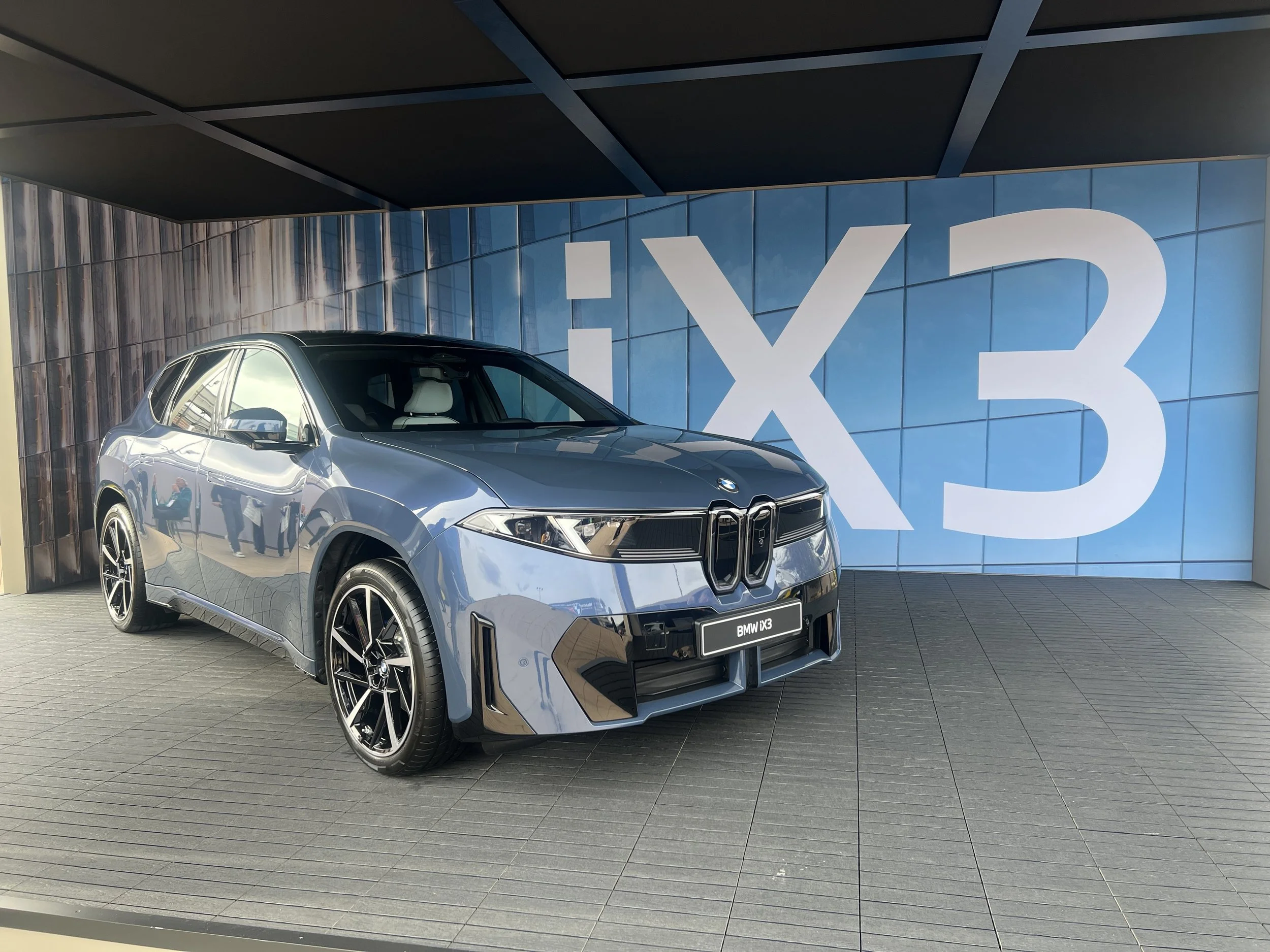
Many strategies highlighted the importance of centralized compute and software-defined vehicle architectures. At CES, key requirements for next-gen platforms emerged: simpler ECUs, constant over-the-air updates, and a unified vehicle "brain." BMW made a North American debut of the iX3 in an expansive display in the plaza, featuring its Qualcomm co-developed software and compute stack. This display showed BMW’s intent to push centralized processing and integration in its evolving digital architecture.
A similar architectural narrative surfaced around the Mercedes-Benz CLA and the U.S. debut of the GLC, which was widely associated with next-generation vehicle compute and autonomy capabilities built on Nvidia’s automotive platforms.
The implication from the German brands was clear: premium OEMs increasingly view high-performance, centralized compute as essential not only for automated driving, but also for long-term software differentiation, in-cabin intelligence, and lifecycle feature expansion. Together, these examples highlighted how competitive differentiation is increasingly shifting toward platform ecosystems rather than discrete technologies.
This year’s show also pointed to a more pragmatic view of electrification, particularly in supplier messaging. Bosch emphasized electrification as a spectrum, not a binary transition. It highlighted hybrids, plug-in hybrids, and range-extender solutions as bridge technologies well into the 2030s. Bosch’s AI Extension Platform enables OEMs to add software-defined capabilities to existing or next-generation ICE-based architectures. This supports centralized compute, AI-driven functions, advanced ADAS, and by-wire integration without needing a clean-sheet BEV platform. Bosch positioned the platform as a practical bridge, enabling OEMs to modernize electronics, deploy SDV faster, and spread development costs across mixed-propulsion portfolios.
CES 2026 marked a clear inflection point in the industry’s technology narrative. OEM vehicle displays were limited, while Chinese brands were the most visible participants, reinforcing how CES has shifted from a product showcase to a forum for strategic positioning. Companies such as Hyundai, BMW, Mercedes, and Ford used the show to communicate long-term direction through platforms, software stacks, and ecosystem partnerships rather than individual vehicle launches.
The competitive message from CES was implicit but consistent: differentiation is moving away from model-level innovation toward the ability to deploy and sustain AI-driven software and platform capabilities at scale. Over the next five years, success will hinge less on access to advanced technologies and more on execution — specifically the integration, validation, cost management, and organizational alignment required to deliver reliable systems across vehicles, factories, and fleets.