

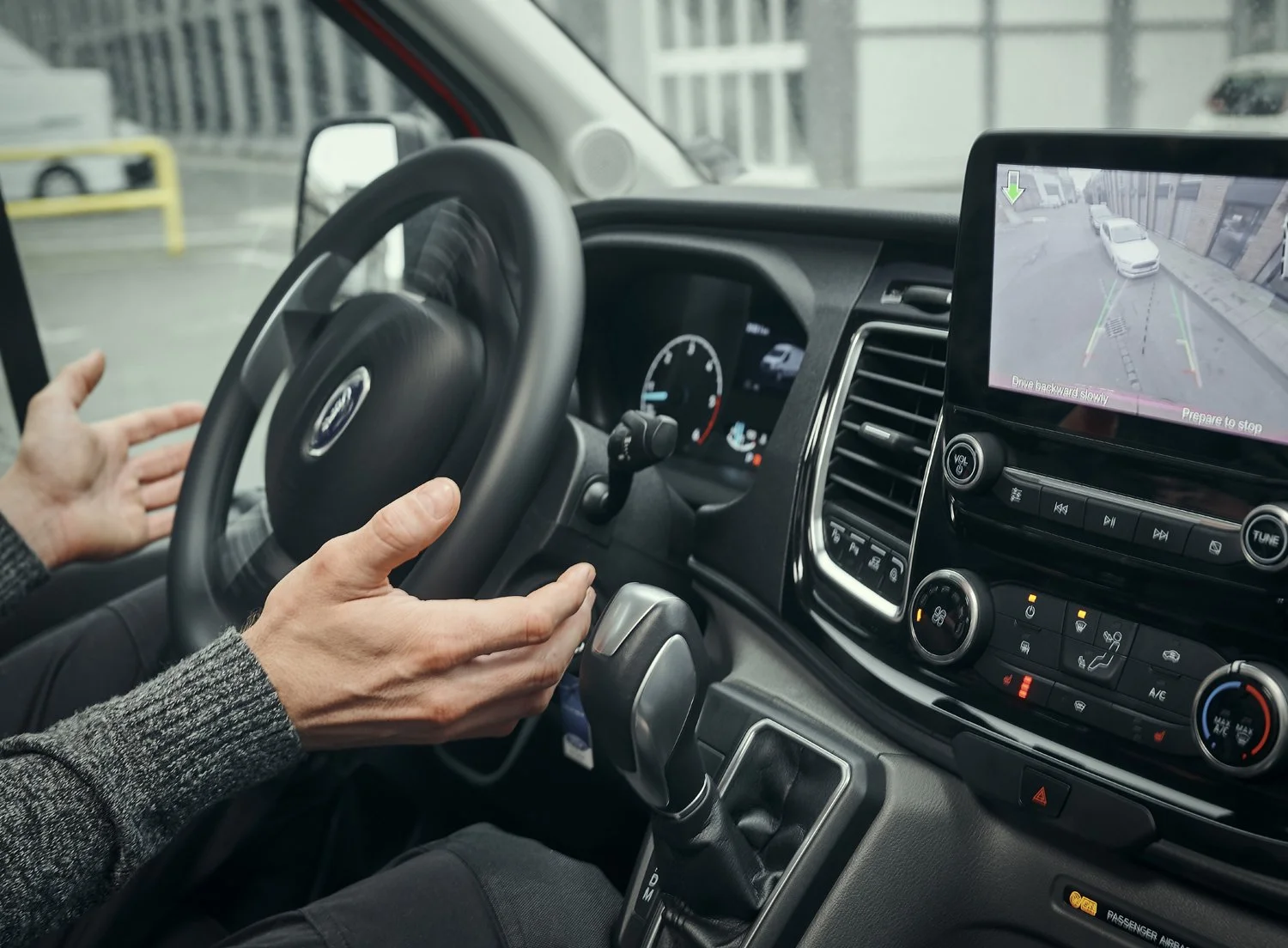
New AutoPacific Study Reveals Seating and Driver Assistance Features Top the List of Most-Wanted Features
AutoPacific’s recently issued 2026 Future Vehicle Planner reveals safety and driver assistance features top the list of features wanted by new vehicle shoppers.

AutoPacific and Humaxa Announce AI-Powered Market Intelligence Collaboration to Transform Automotive Research
AutoPacific, a leading automotive market research and consulting firm, and Humaxa, an enterprise artificial intelligence company specializing in trusted AI solutions for complex business data, today announced their collaboration to bring a new generation of AI-powered research capabilities to the automotive industry.
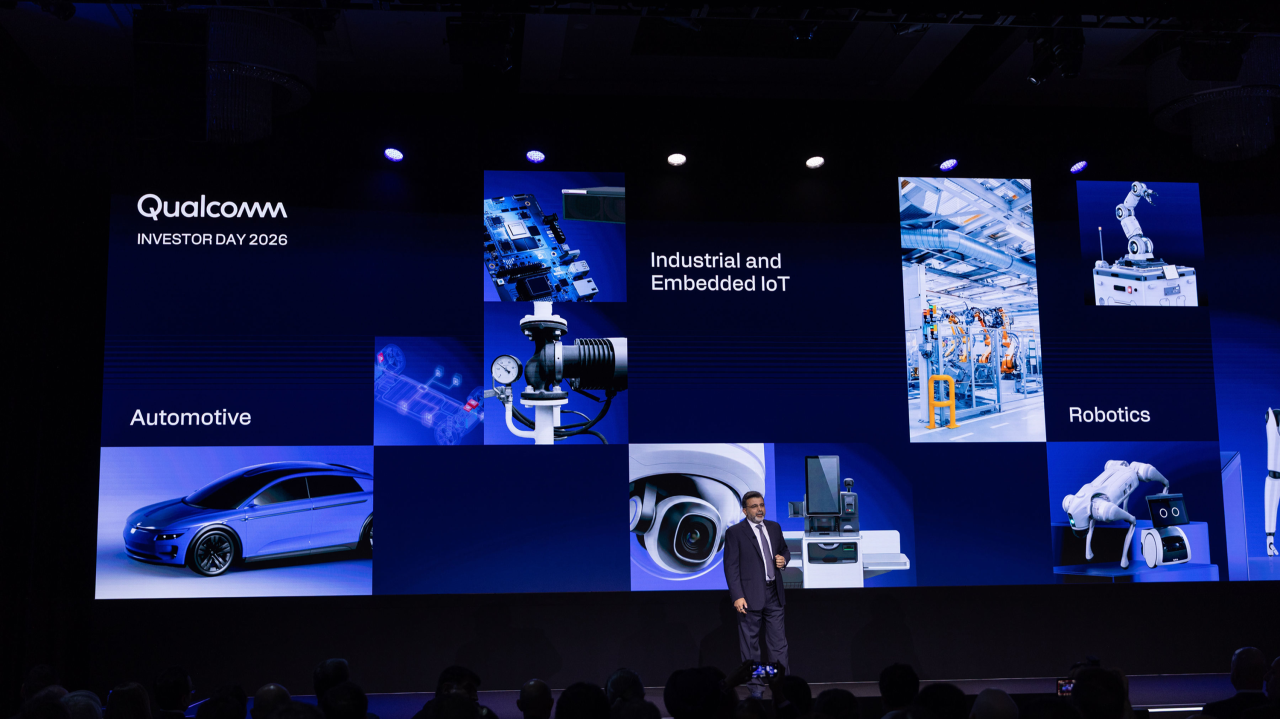
Automotive Wasn’t the Headline at Qualcomm’s Investor Day 2026, But the Growth Signals Were Hard to Ignore
While the topics of AI and data centers drew much of the spotlight at Qualcomm’s Investor Day 2026, automotive quietly continued strengthening the company’s case to investors that its long-term growth is no longer tied primarily to smartphones. Qualcomm is steadily building a more diversified business spanning AI, edge computing, automotive, industrial IoT, and connected devices.
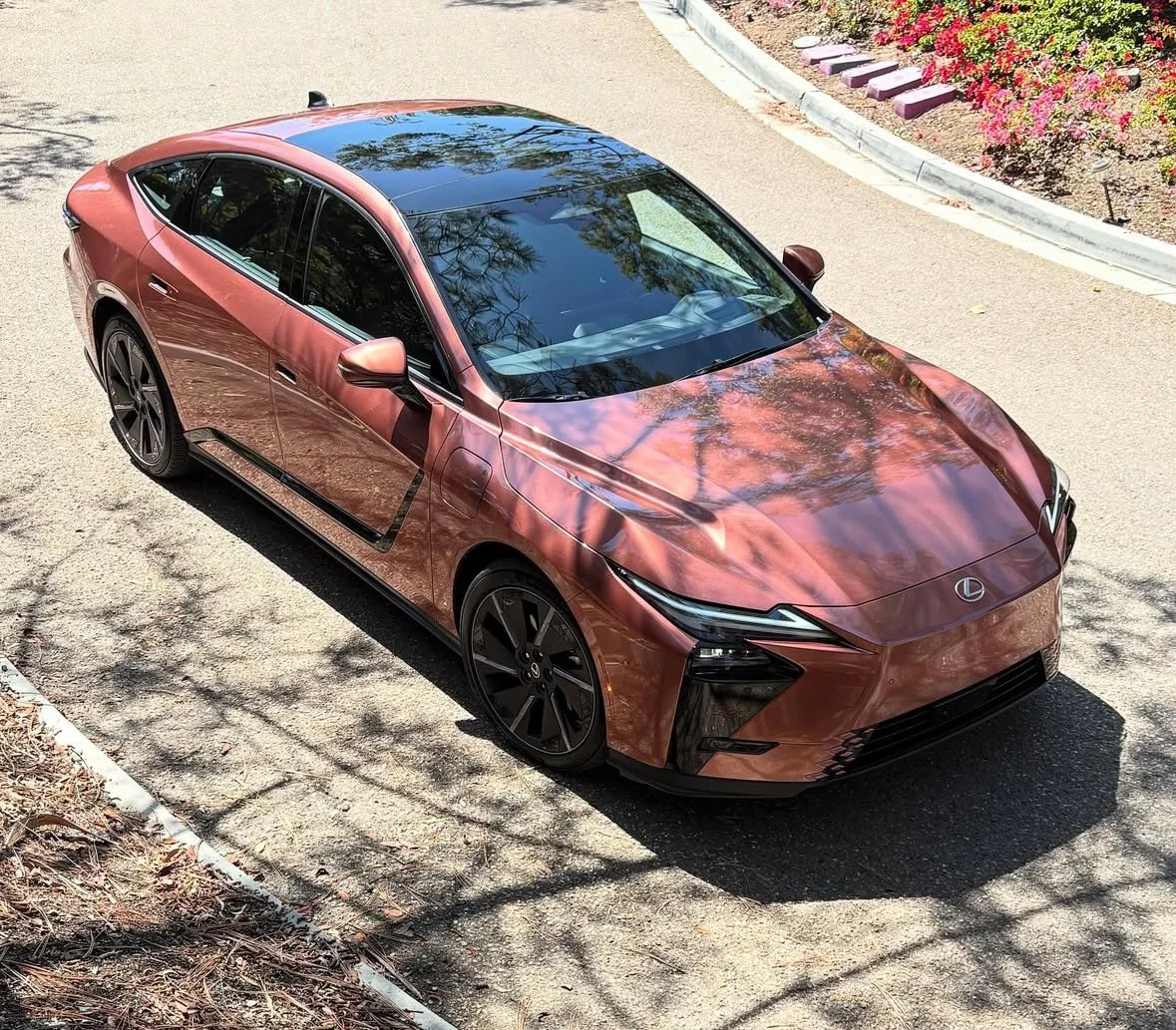
Lexus Takes a Bold Dual-Powertrain Approach for its All-New 2026 ES
Out with the LS, in with the all-new (and much bigger) ES, which arrives for 2026 as the brand’s flagship sedan. While past generations of the ES have attracted the likes of older buyers seeking more of a reserved, familiar vehicle ownership experience, the eighth-generation ES seems like a 180-degree pivot. Now, Lexus is aiming for the younger, more tech-ambitious, and electric-curious crowd with a dual-powertrain strategy for its mid-size ES, which can be had in either hybrid or pure BEV formats. I recently had a chance to drive multiple flavors of the redesigned ES, and though both powertrains were impressive in their own respective manner, the EV is the one to buy.
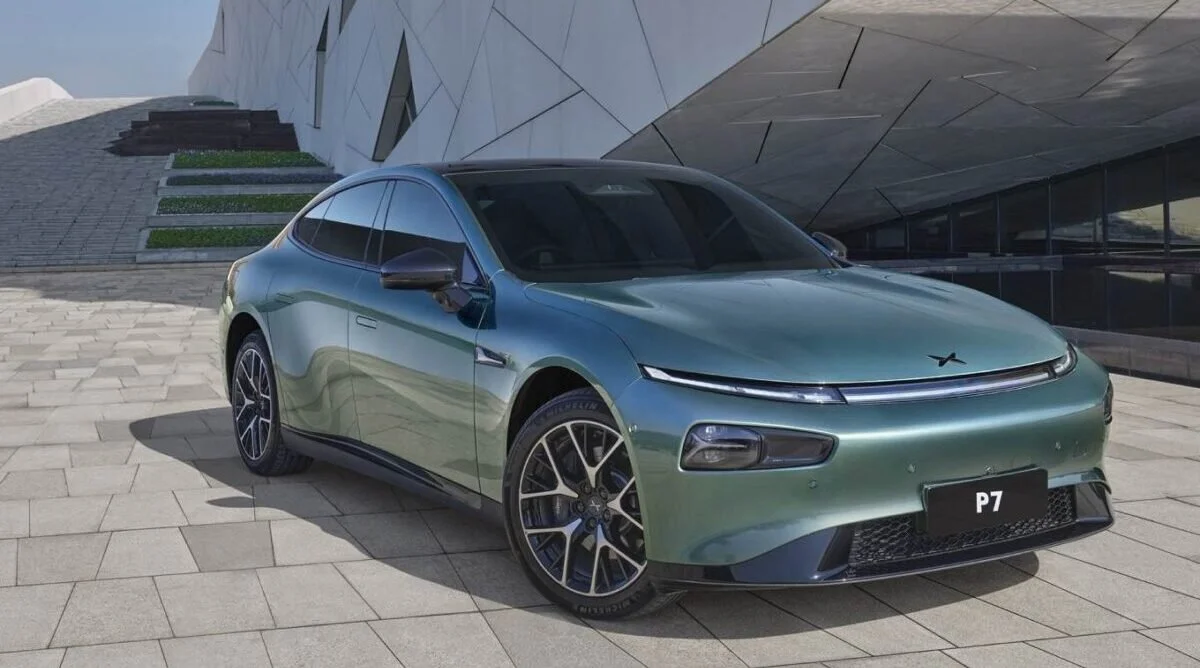
As Chinese EVs Prepare to Launch in Canada, AutoPacific Study Reveals Strong Canadian Interest
A recent survey of Canadian new vehicle shoppers, conducted by noted automotive market research and consulting firm AutoPacific, reveals strong acceptance of Chinese brand vehicles for quality and price reasons.
What We Saw and Learned Touring Ford’s Secret Skunkworks Complex
While we may be in the midst of an EV slowdown...that won’t be the case forever, and a secret army of engineers and designers is busily scrambling about in discrete warehouses tucked away in Long Beach, California, to come up with Ford's next crop of affordable, mainstream EVs go for launch later this decade. But in order for this new wave of EVs to be successful, a fresh approach has to be taken to address lingering consumer hesitations about EV adoption, including range, charging infrastructure, and cost. Enter the "Skunkworks" era.
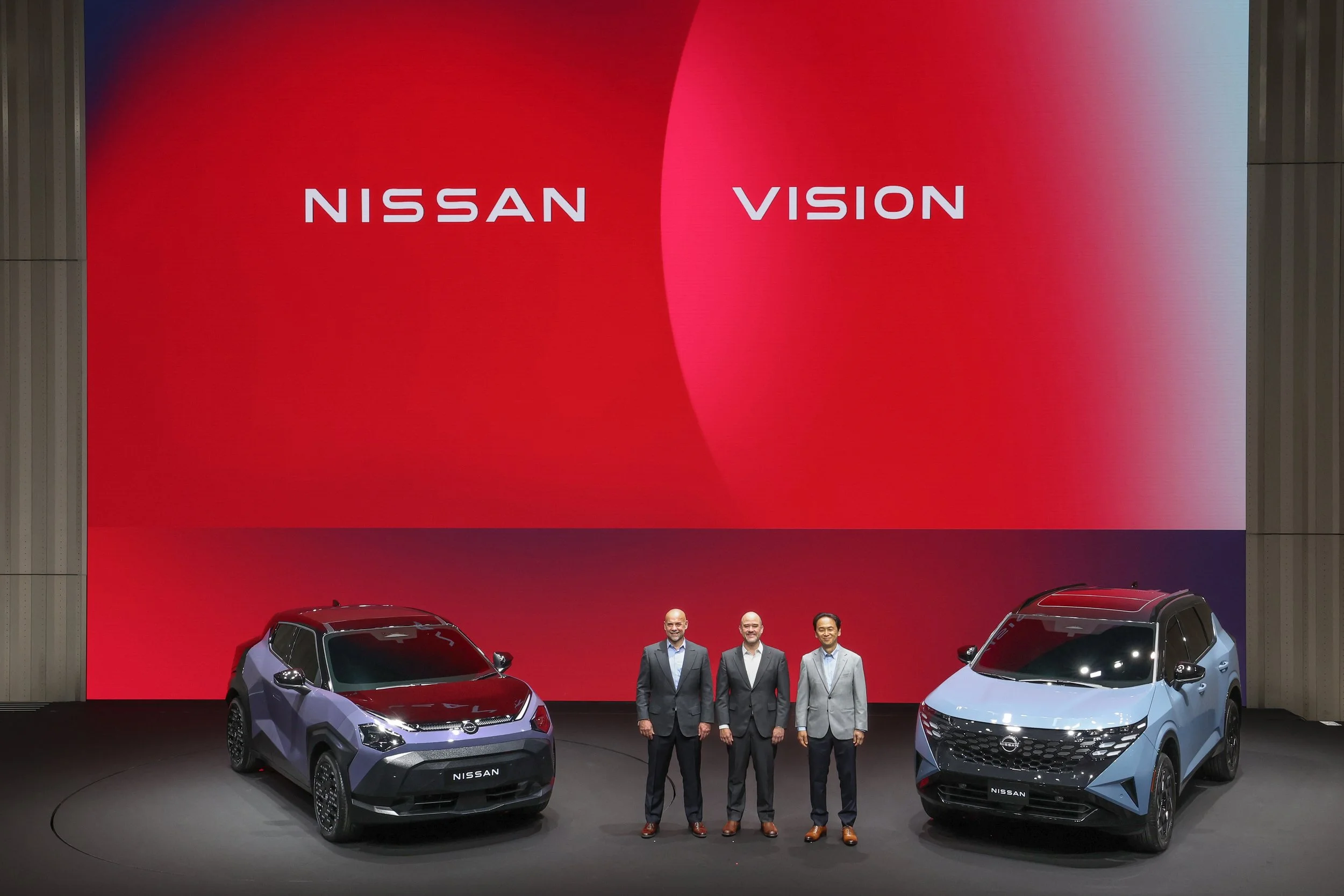
Nissan Lays Out its Path to Recovery
Nissan’s path to recovery following its challenging and difficult rough patch has demonstrated solid progress over the past year. Sales are recovering in key markets, including the U.S., and the company has been making strides in reducing costs and finding efficiencies. This week, Nissan shared its long-term vision that goes far beyond just returning to financial health, but focuses on key priorities to ensure its competitiveness in all of its global markets for the long run.
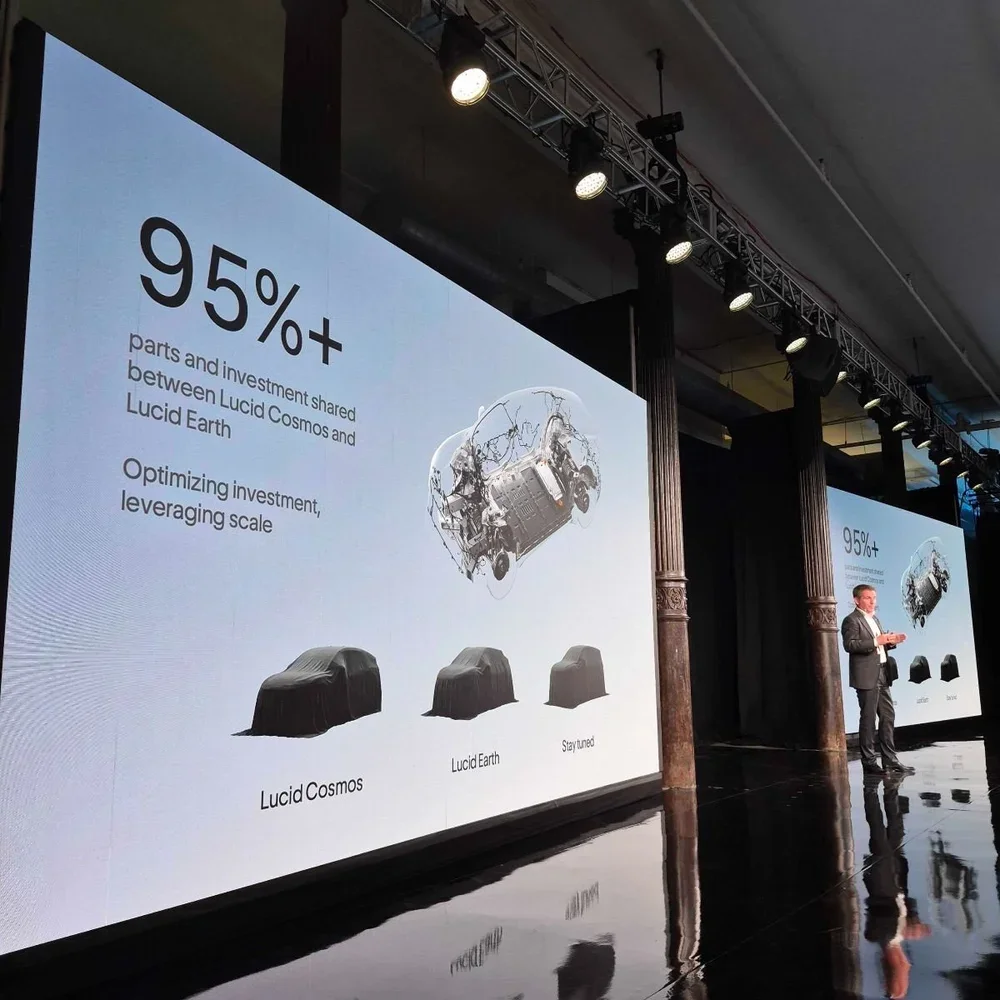
Autonomy and Mid-Size EVs Will Help Secure Lucid's Future
Last month, AutoPacific had front row seats to Lucid's first-ever Investor Day event, in which a select group of analysts and journalists were joined by a crowd of hungry investors. On a rainy Thursday morning, we learned what's next for the ambitious startup, a chapter soon to be written with new arrivals of mid-size EVs and a strong focus on bringing autonomy to the masses. Each strategy promises additional revenue opportunities and hopefully turns around the sizable cumulative $2.7 billion net loss it saw in 2024 and 2025. The monetary pulse funded by the Saudi government can only beat for so long.
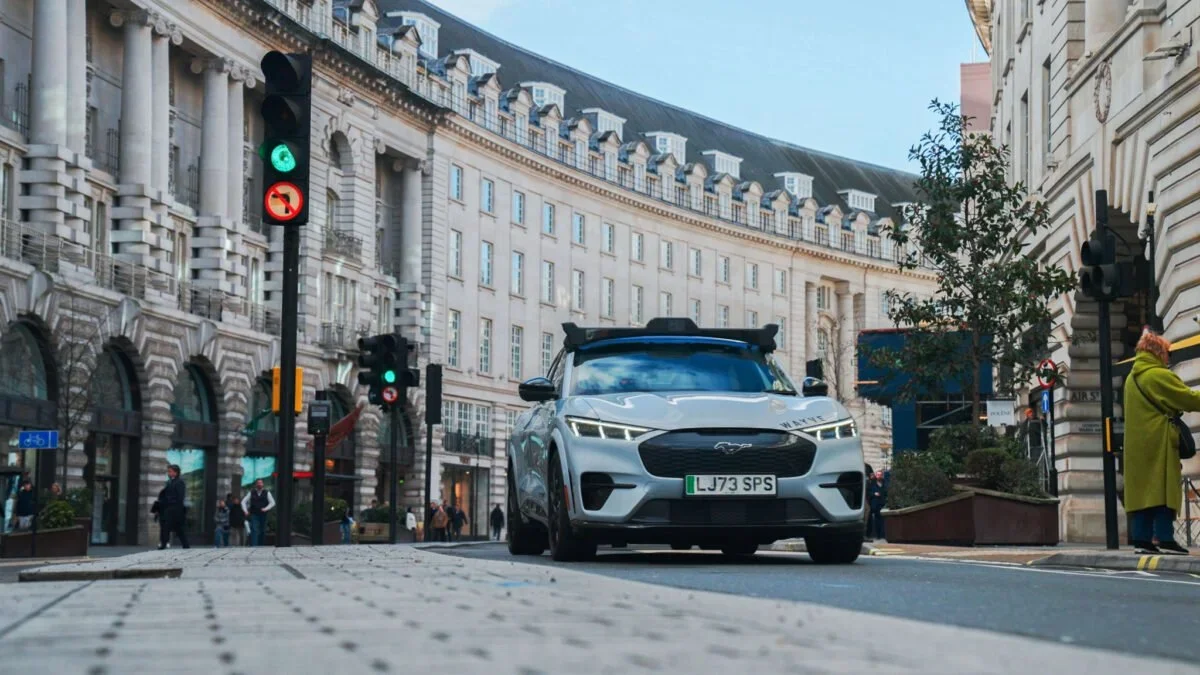
Qualcomm’s Collaboration with Wayve Counters Nvidia’s L4 Autonomy Efforts
Earlier this month, Qualcomm and Wayve, a UK-based company developing a universal AI-powered software stack for consumer vehicles and robotaxis, announced a very noteworthy collaboration that has the potential to democratize autonomous drive technology sooner than later. Ultimately, the results of this collaboration will also help power Qualcomm’s strategy to scale to the Level 4 robotaxi space. Qualcomm is seeing considerable success with its Snapdragon Ride platform, which is notable for serving as a central processor that has a foundation of a modular and flexible architecture that integrates ADAS and autonomous drive components from any number of third-party suppliers.
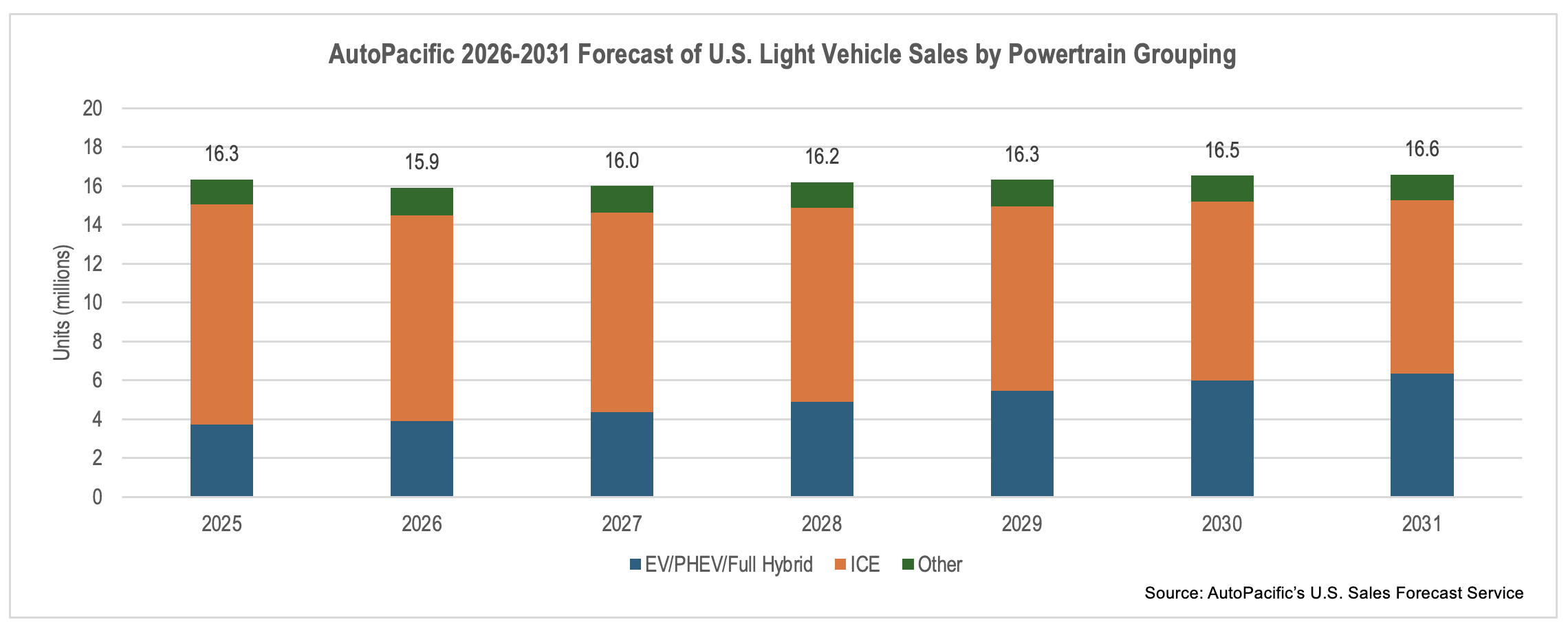
EV Sales Projections Dip Amid Forecasted Increases in Overall Alternative Powertrain Sales Through 2031
Noted automotive market research and consulting firm AutoPacific recently issued its forecast of annual U.S. light vehicle sales, predicting a 15.9 million unit year in 2026, down from 16.3 million units sold in 2025 though volume recovery is expected through the remainder of the decade and into the next. Alternative powertrains are expected to continue gaining market share throughout the forecast period, rising from 24% of the total market in 2025 to 38% in 2031, with hybrids powering most of that growth.
Will Republican Consumers be EVs’ Lifeline in the U.S. Market?
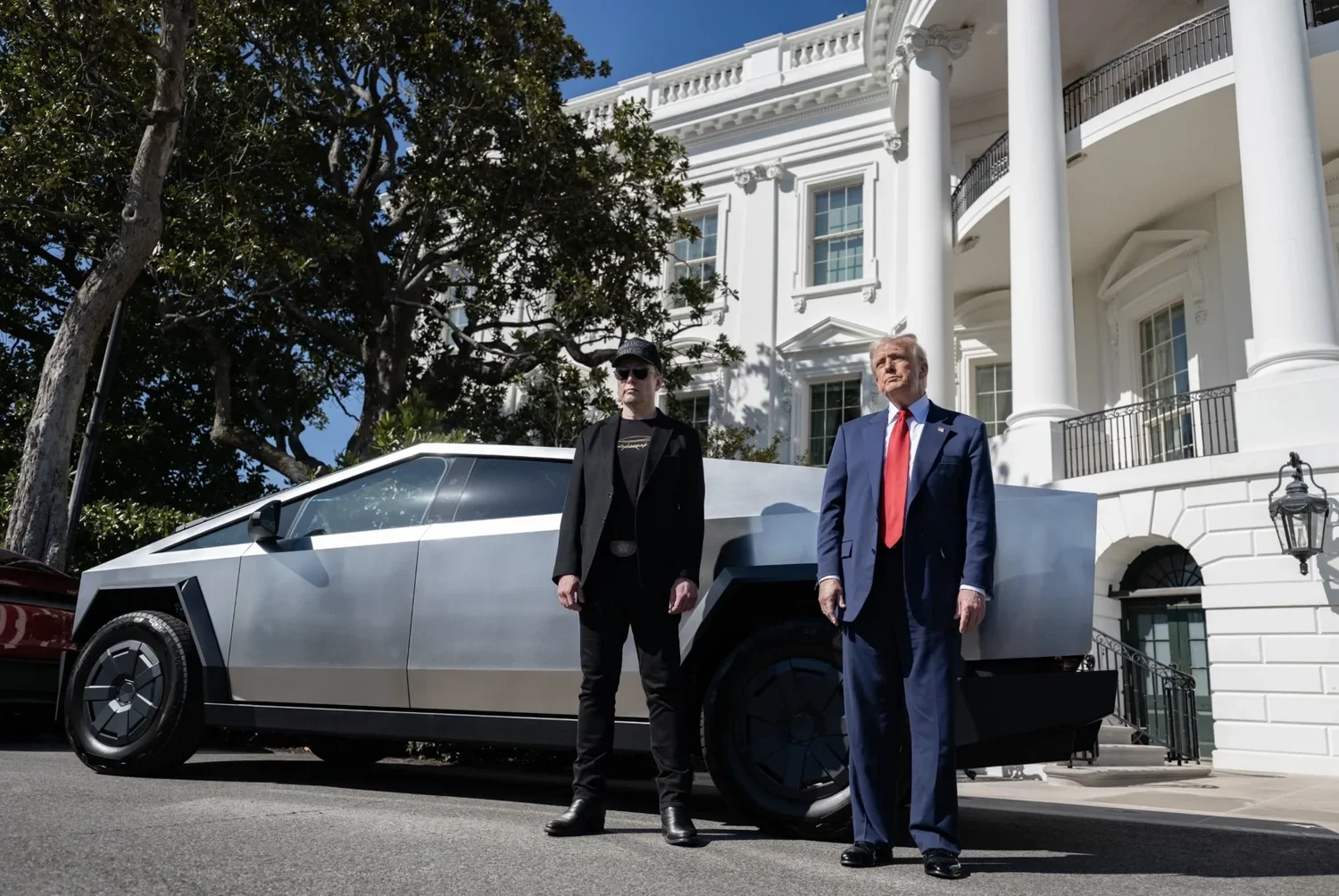
It’s no secret that EVs are having a rough go in the U.S. market at the moment. The Trump 2.0 administration oversaw the early elimination of the Federal tax credit on EV purchases, which resulted in the effective price of EVs jumping by thousands on October 1, 2025. To add to the pain, the Trump Administration imposed hefty tariffs on imported vehicles and parts, further adding to EVs’ pricing challenge.
CES 2026 and the Automotive Industry’s Reckoning
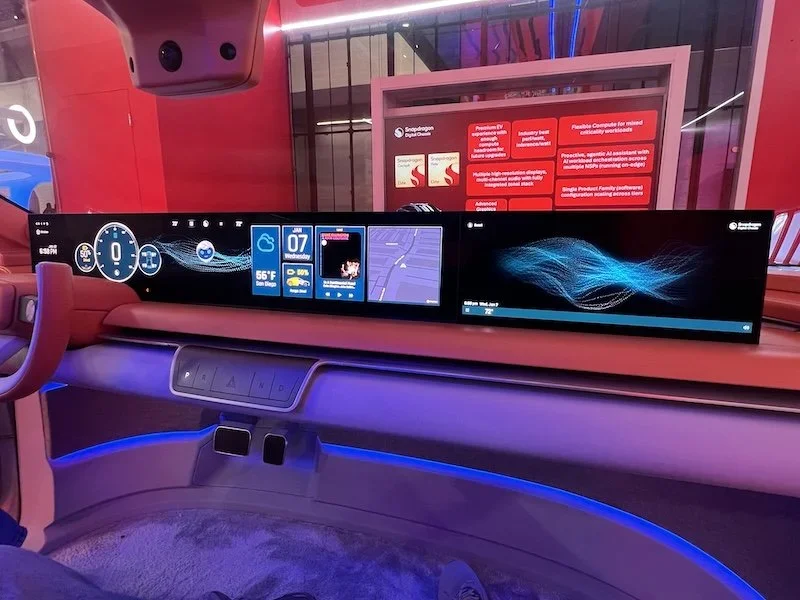
CES 2026 didn’t feel like a traditional auto show, and unlike recent years, vehicle launches weren’t a priority. Instead, the focus shifted toward signaling long-term direction, mostly through supplier partnerships rather than new sheetmetal. The only automakers with a meaningful footprint on the show floor were Sony Honda Mobility’s Afeela, and Chinese brands, Geely (Zeekr, Lynk & Co, Geely) and Great Wall Motors, with visibility that was impossible to ignore. In the absence of other OEM stands, Chinese automakers leaned in, broadcasting brand messaging and framing how they think about technology, speed, and scale. More than symbolism, it reflected a growing confidence in software-first, vertically integrated development as a competitive advantage, not a future ambition.
What We Saw and Learned at CES 2026
At CES 2026, it was clear the auto industry’s next phase hinges not on new vehicle launches, but on how well OEMs and suppliers scale software, autonomy, and AI-enabled systems in practical settings. This year, the show shifted from traditional product debuts to a focus on compute architectures, software platforms, and “physical AI” — the blend of autonomous driving, robotics, and advanced perception systems. CES’s evolution away from the traditional auto show is evident. OEMs now use their presence to signal long-term strategy, not just highlight near-term products.
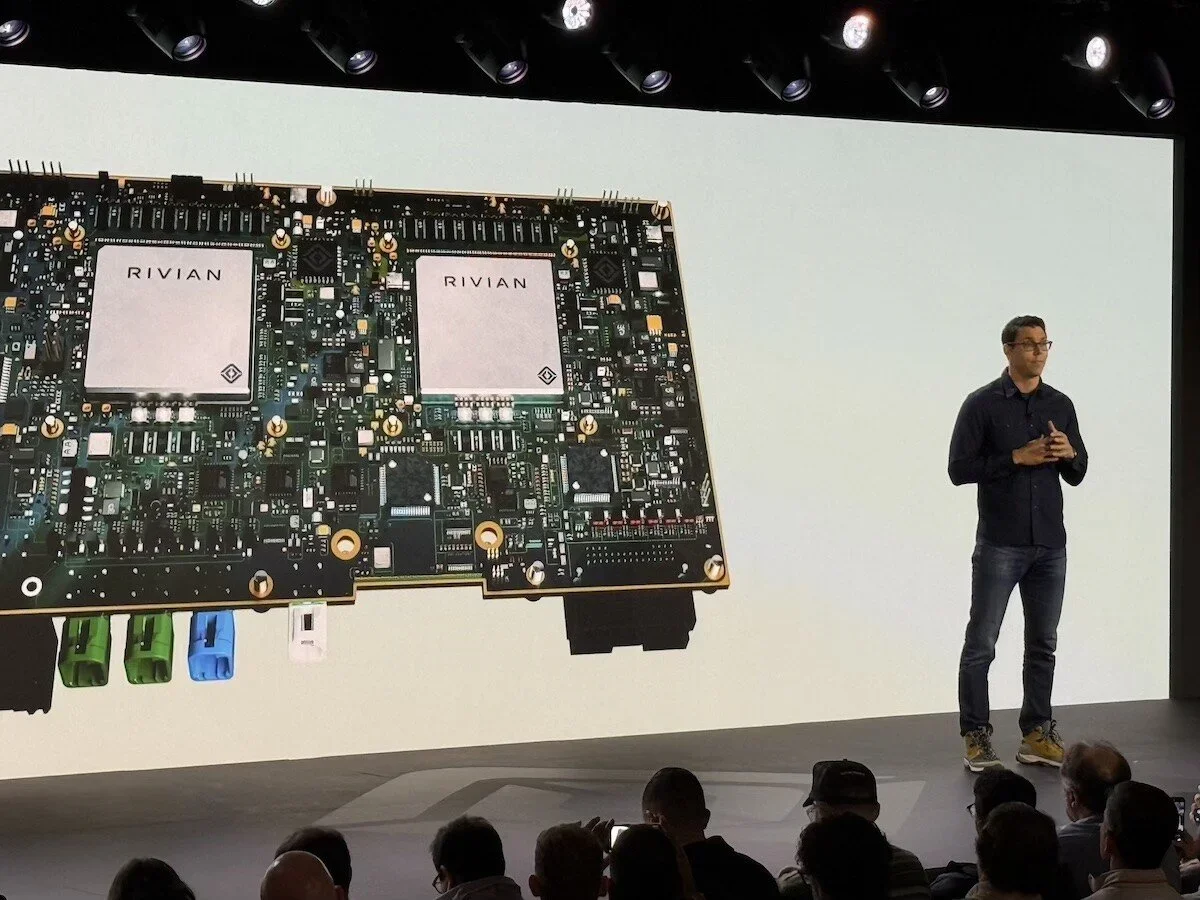
Rivian's Autonomy & AI Day Shows a Vertically Integrated and AI-Defined Future for the Startup Automaker
Toward the end of 2025, AutoPacific traveled to Rivian's Mountain View, CA facility to attend the announcement of the next wave of Rivian technology innovations at its Autonomy & AI Day event, and the news didn’t disappoint. In a nutshell, Rivian is going big on AI-powered autonomous drive features and eventually full Level 4 autonomy that is largely enabled not only by in-house software, but in-house hardware too, including its very own silicon - something that the vast majority of automakers do not do.
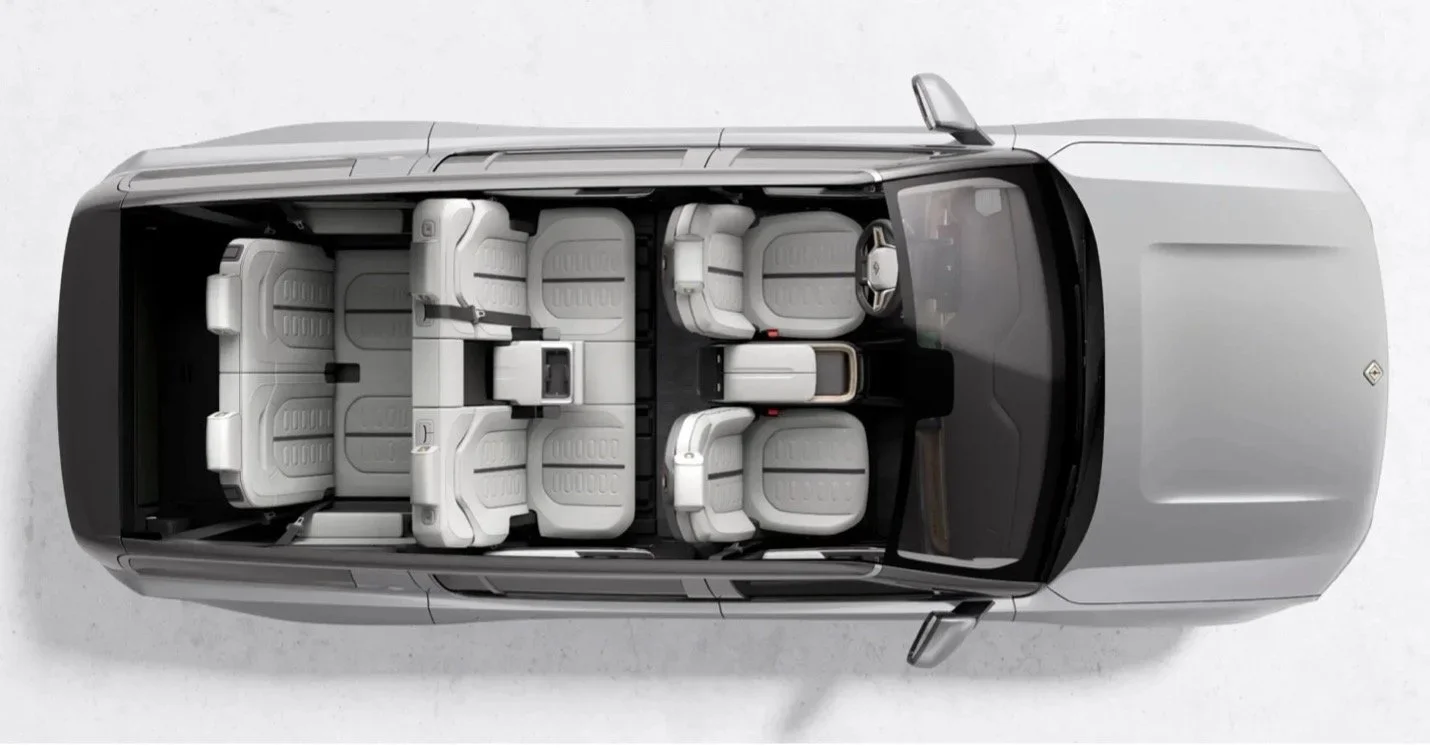
How Automakers Can Execute Successful, Desirable Three-Row Electric SUVs/XSUVs
Even as the U.S. vehicle marketplace faces the threatening possibilities of steep tariffs on imported vehicles and the elimination of helpful federal tax credits, automakers will continue to expand their EV offerings. In order to remain competitive, there’s a key segment strongly desired amongst many consumers wanting to go all-in on electrification: three-row crossovers and SUVs.
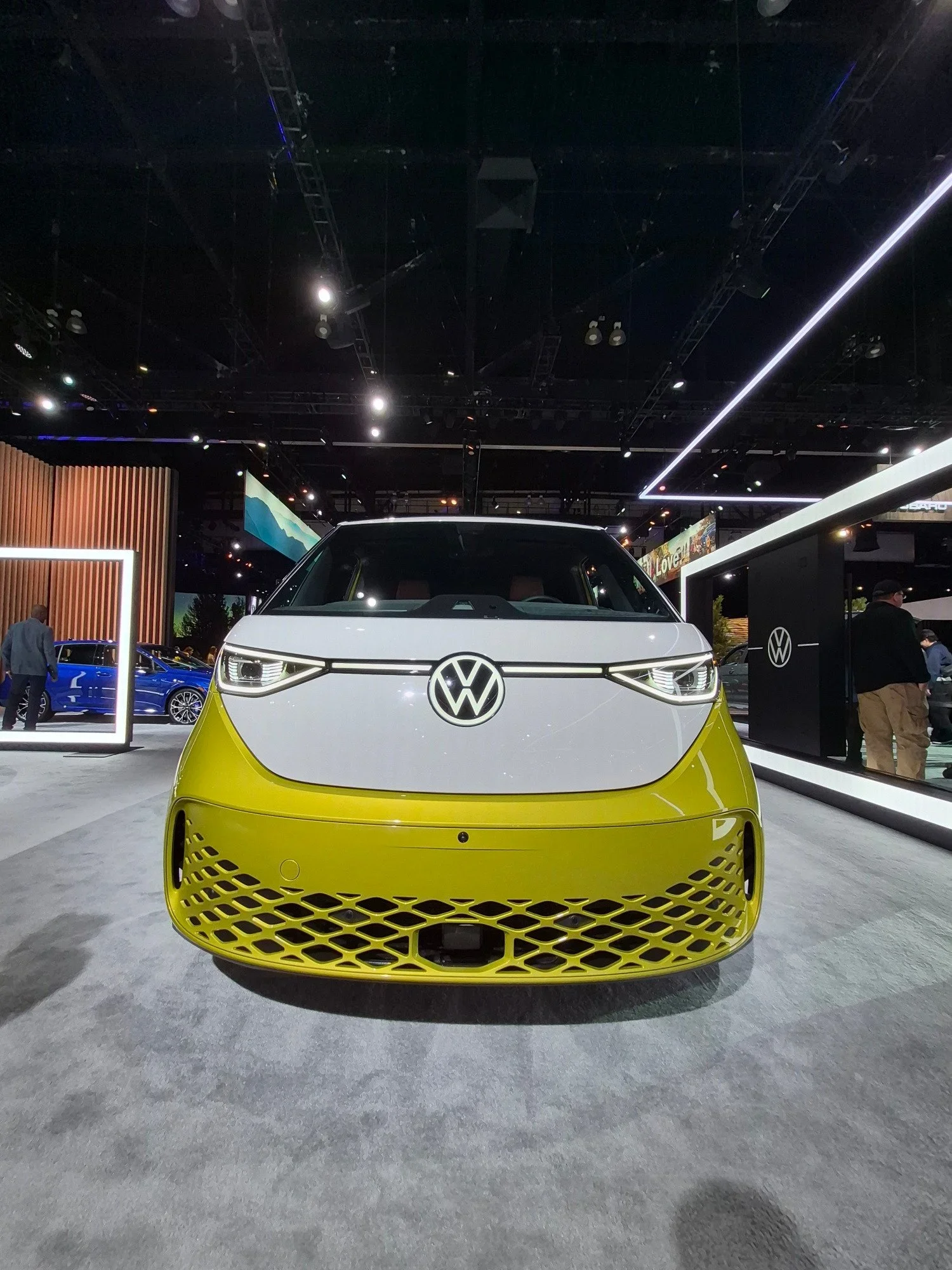
What We Saw and Learned at the 2025 Los Angeles Auto Show
Last week, the AutoPacific team was on the ground for the 2025 Los Angeles Auto Show. While the schedule of on-site press conferences may have been relatively lighter compared to prior years, there was still an eclectic mix of new and updated products under the lights on the show floor. Here's the download on some of our highlights.
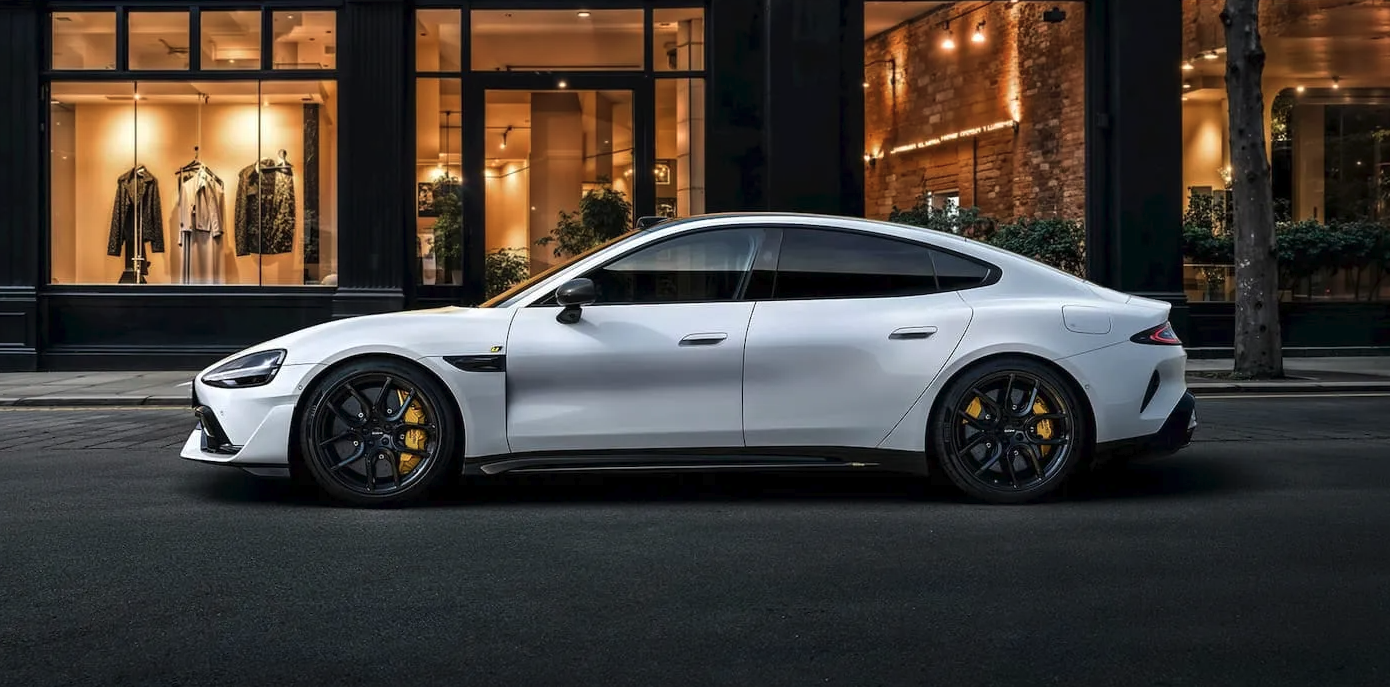
Awareness and Consideration for Chinese Automakers Grow as Privacy and Security Woes Fall
With every passing year, our AutoPacific team continues to conduct research on vehicle shoppers in an ongoing effort to learn what American consumers think of Chinese automakers...because they will be here at some point. Last week, I dove into our latest batch of data to see if perception has changed at all compared to last year's Future Attribute Demand Study or “FADS”, and well, things are trending in a rather surprising direction.
The Top "Must-Have" Vehicle Feature for 2025 is All-Wheel Drive
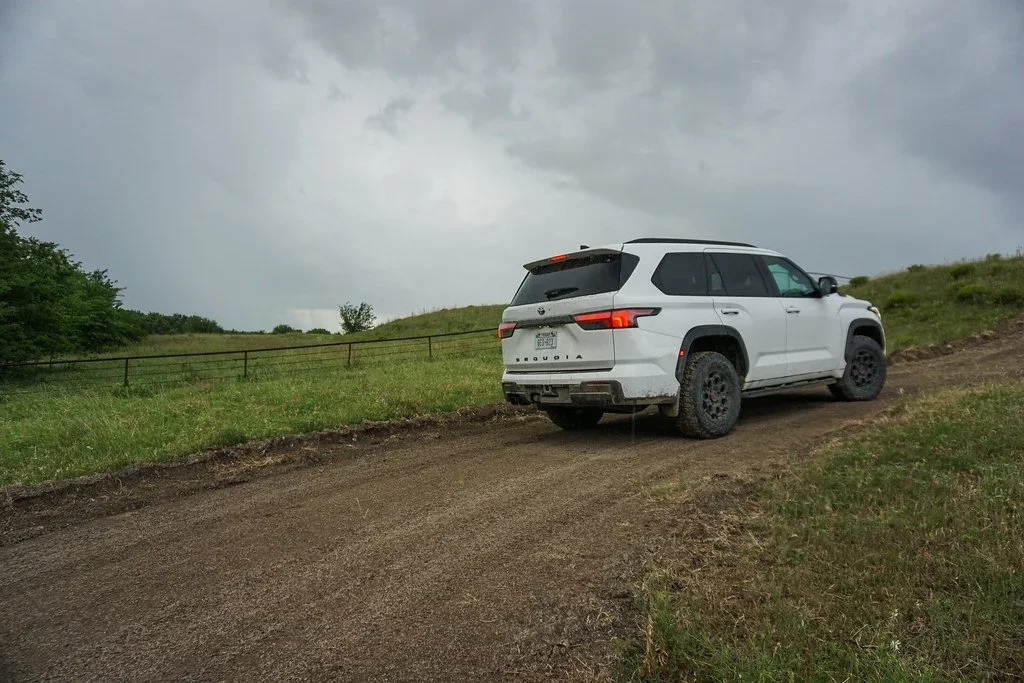
Everyone has "must-have" and "nice to have" features when it comes to vehicle shopping. Those features that they won't buy a vehicle without, and those that they would be willing to forgo if needed. AutoPacific's newest Future Attribute Demand Study (FADS), which surveyed more than 18,000 consumers who plan to buy or lease a new vehicle in the next three years, captures these differences for the first time to provide even greater insight into feature demand to automakers, suppliers, and marketers.
What Does the All-New Nissan Leaf Mean for EV Affordability?
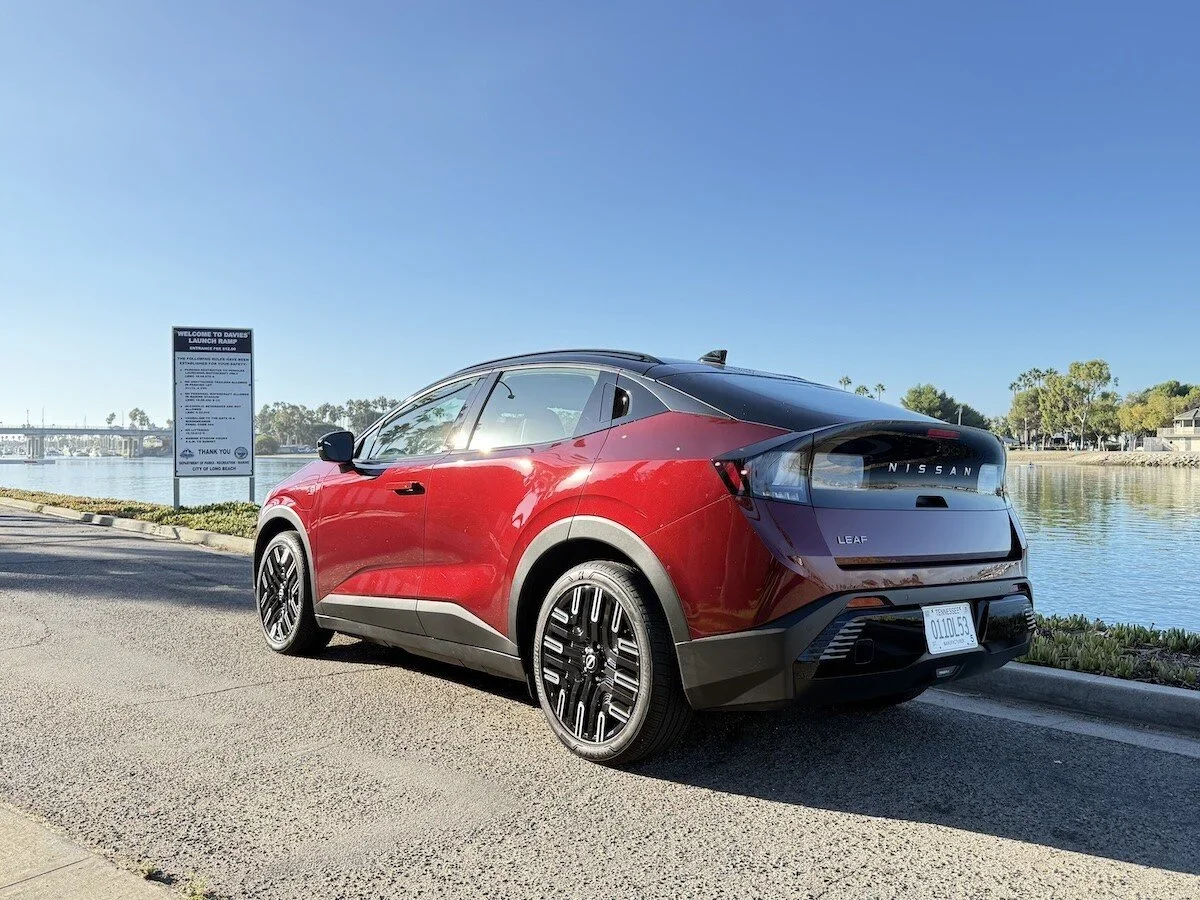
I recently got the chance to spend a few days with the all-new 2026 Nissan Leaf, now in its third generation and representing the biggest change to this nameplate since its launch for the 2011 model year. The third-generation Leaf has morphed from the unpopular five-door hatchback bodystyle to a much more fashionable coupe-crossover shape, and not surprisingly, it’s light-years ahead of the prior two generations in terms of technology and general appeal.